Choosing Between RGB and RGBW Pixel Lights
2026-01-09
RGB vs RGBW Pixel Lights: Which One Should You Choose?
Pixel lighting has become an essential element in modern stage design, architectural lighting, commercial spaces, and immersive visual installations. From dynamic media facades to interactive art projects, pixel lights offer designers endless creative possibilities.
However, when it comes time to select the right pixel lighting solution, many buyers face the same question: Should I choose LED RGB or RGBW pixel lights?
At first glance, RGB and RGBW pixel lights may appear almost identical. Yet in real-world applications, the differences between them can significantly impact brightness, color quality, power consumption, control system design, and overall project cost. Choosing the right option from the start can save time, budget, and avoid disappointing results later.
This article breaks down the key differences between RGB and RGBW pixel lights in a clear, practical way, helping you make the right decision for your project.
This article breaks down the key differences between RGB and RGBW pixel lights in a clear, practical way, helping you make the right decision for your project.
1. Understanding RGB and RGBW Pixel Lights
Before comparing performance, it's important to understand the fundamental structure behind LED RGB vs RGBW pixel lights.
Both RGB and RGBW pixel lights are digitally addressable lighting fixtures, meaning each pixel can be individually controlled via protocols such as DMX512, SPI, or Art-Net. The key difference lies in the light source itself.
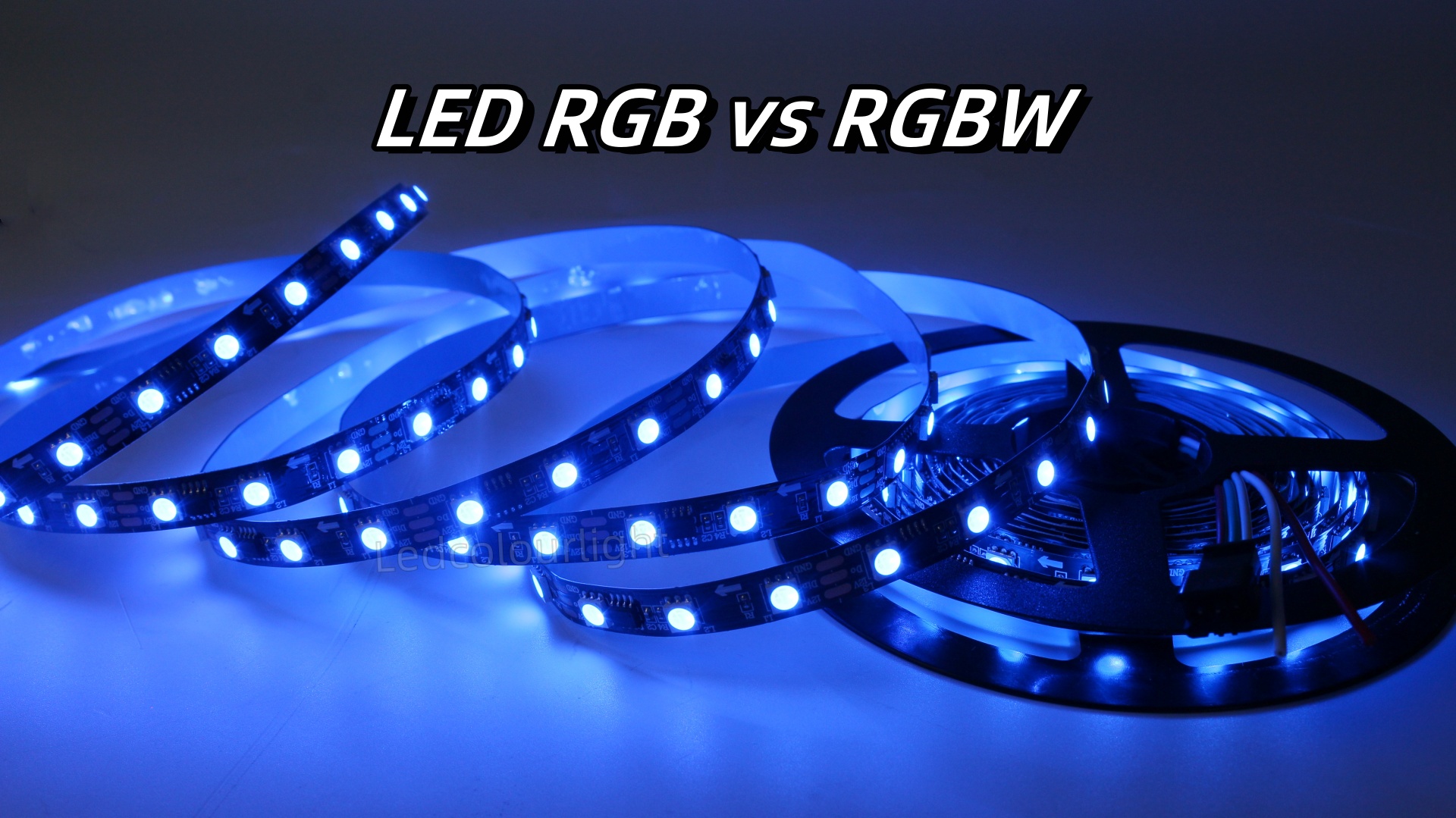
RGB pixel lights combine red, green, and blue LEDs to create colors through additive mixing. While this method is versatile, it relies on blending colored light to simulate white, which often results in whites that appear bluish or slightly tinted.
RGBW pixel lights add a dedicated white LED (usually warm white, neutral white, or cool white). This additional channel allows true white output without color mixing, improving brightness and color accuracy—especially in applications where white light quality matters.
Both RGB and RGBW pixel lights are digitally addressable lighting fixtures, meaning each pixel can be individually controlled via protocols such as DMX512, SPI, or Art-Net. The key difference lies in the light source itself.
RGB pixel lights combine red, green, and blue LEDs to create colors through additive mixing. While this method is versatile, it relies on blending colored light to simulate white, which often results in whites that appear bluish or slightly tinted.
RGBW pixel lights add a dedicated white LED (usually warm white, neutral white, or cool white). This additional channel allows true white output without color mixing, improving brightness and color accuracy—especially in applications where white light quality matters.
2. Brightness and Color Rendering: RGB vs RGBW
One of the most noticeable differences in RGBW vs RGB is brightness efficiency, particularly for white and pastel colors.
RGB pixel lights distribute their output across three color channels. When producing white, all three LEDs operate simultaneously, but the resulting brightness is limited, and the color temperature can feel unnatural.
RGBW pixel lights, on the other hand, use the white LED to generate white light directly. This means higher luminous efficiency, cleaner whites, and better color rendering overall. In architectural lighting, museums, retail spaces, or premium commercial projects, this difference becomes immediately visible.
For example, when comparing LED strips with similar pixel density:
RGB pixel lights distribute their output across three color channels. When producing white, all three LEDs operate simultaneously, but the resulting brightness is limited, and the color temperature can feel unnatural.
RGBW pixel lights, on the other hand, use the white LED to generate white light directly. This means higher luminous efficiency, cleaner whites, and better color rendering overall. In architectural lighting, museums, retail spaces, or premium commercial projects, this difference becomes immediately visible.
For example, when comparing LED strips with similar pixel density:
- A 60 LEDs / 10 pixels RGB strip typically consumes around 14.4W per meter
- A 60 LEDs / 10 pixels RGBW strip increases to approximately 19.2W per meter
While RGBW consumes more power, it delivers significantly better white output and smoother color transitions.
3. Control Systems and DMX Channel Load
From a control perspective, RGB vs RGBW also affects DMX channel planning and system scalability.
In DMX512 systems:
In DMX512 systems:
- Each RGB pixel requires 3 DMX channels
- Each RGBW pixel requires 4 DMX channels
This means RGBW fixtures consume more DMX bandwidth. A single DMX universe supports up to 512 channels, so the total number of fixtures per universe decreases when using RGBW.
For example:
A 1-meter RGB pixel strip with 16 pixels requires 48 DMX channels
The same configuration in RGBW requires 64 DMX channels
For large-scale installations such as facades, tunnels, or media walls, this difference impacts controller selection, network design, and overall system cost. RGB may be more efficient when the project prioritizes large pixel counts over color accuracy.
For example:
A 1-meter RGB pixel strip with 16 pixels requires 48 DMX channels
The same configuration in RGBW requires 64 DMX channels
For large-scale installations such as facades, tunnels, or media walls, this difference impacts controller selection, network design, and overall system cost. RGB may be more efficient when the project prioritizes large pixel counts over color accuracy.
4. Power Consumption and Electrical Design
Power planning is another area where LED RGB vs RGBW shows clear differences.
RGBW pixel lights draw more current due to the additional white LED, which affects:
RGBW pixel lights draw more current due to the additional white LED, which affects:
- Power supply sizing
- Cable thickness
- Voltage drop calculations
- Injection point spacing
Using the earlier example, the jump from 14.4W/m (RGB) to 19.2W/m (RGBW) requires stronger power supplies and a more careful electrical layout. However, this trade-off often pays off in applications that demand high brightness or consistent white light.
Professional projects typically balance these factors by mixing RGB and RGBW fixtures or limiting RGBW use to focal areas.
Professional projects typically balance these factors by mixing RGB and RGBW fixtures or limiting RGBW use to focal areas.
5. Long-Term White Light Usage and Component Lifespan
Another important factor often overlooked in the RGB vs RGBW discussion is long-term reliability—especially when white light is used frequently or continuously.
RGB pixel lights generate white light by driving the red, green, and blue LEDs at high output simultaneously. When white scenes are displayed for extended periods, all three color channels operate near full load. Over time, this constant high-current operation can accelerate LED lumen depreciation and increase thermal stress on both the LED chips and the driver ICs.
In real projects, this may lead to:
RGB pixel lights generate white light by driving the red, green, and blue LEDs at high output simultaneously. When white scenes are displayed for extended periods, all three color channels operate near full load. Over time, this constant high-current operation can accelerate LED lumen depreciation and increase thermal stress on both the LED chips and the driver ICs.
In real projects, this may lead to:
- Faster brightness decay
- Color shift or uneven white balance
- Shortened lifespan of LEDs and control ICs
For installations where white light is used only occasionally, this may not be a concern. However, in architectural, commercial, or stage applications where white or pastel tones remain on for long durations, RGB fixtures are not ideal for sustained white output.
RGBW pixel lights address this issue by using a dedicated white LED to produce white light directly. This significantly reduces the load on the RGB channels, lowers operating temperature, and helps extend the overall lifespan of both LEDs and electronic components. From a long-term maintenance and reliability standpoint, this is a key advantage of RGBW vs RGB that should not be ignored.
RGBW pixel lights address this issue by using a dedicated white LED to produce white light directly. This significantly reduces the load on the RGB channels, lowers operating temperature, and helps extend the overall lifespan of both LEDs and electronic components. From a long-term maintenance and reliability standpoint, this is a key advantage of RGBW vs RGB that should not be ignored.
6. Application Scenarios: Which One Should You Choose?
Rather than asking which option is "better," it's more useful to ask where each performs best.
RGB pixel lights are ideal for:
RGB pixel lights are ideal for:
- Large-scale pixel mapping installations
- Media facades and outdoor displays
- Entertainment projects focused on dynamic colors
- Cost-sensitive installations with high pixel counts
RGBW pixel lights are better suited for:
- Architectural and commercial lighting
- Projects requiring high-quality white light
- Stage designs with frequent white or pastel scenes
- Installations where color accuracy matters more than pixel quantity
7. Choosing the Right Solution with Ledcolourlight
RGB and RGBW pixel lights each have their strengths. There is no universal answer—only the right solution for the right application. Understanding how brightness, color quality, power consumption, and control systems differ allows you to make informed decisions and achieve the best possible results.
At LEDCOLOURLIGHT, we specialize in both RGB and RGBW pixel lighting solutions and provide professional support from system design to installation guidance. If you're planning a project and need expert advice, CONTACT US to explore the best solution for your needs.
What Is LED Pixel Light
84LED DMX Digital LED Strip Lights - A Brighter Upgrade
Related Article
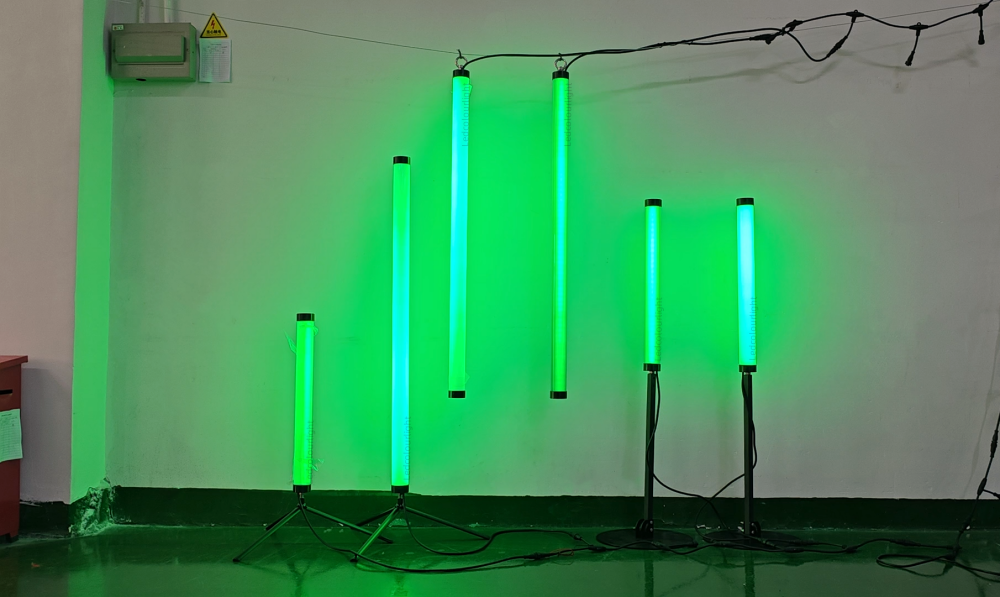
This article explores a versatile 3D LED light tube developed for multi-project use, offering adaptable installation methods and consistent performance for professional lighting environments.
Pixel-controlled 3D LED Light Tube for Professional Lighting Projects