How to Choose IP Ratings for Outdoor Waterproof LED Lights
2025-09-21
What's the Difference Between IP65, IP67, and IP68 in Waterproof LED Lights?
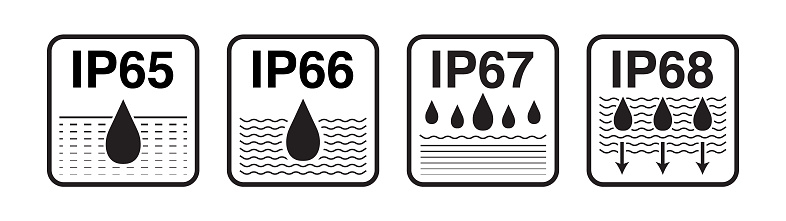
When it comes to waterproof LED lights for outdoor applications, one of the most important factors to evaluate is the IP rating. Whether you are choosing pixel point lights, LED strips, or architectural lighting, understanding the difference between IP65, IP67, and IP68 can determine the long-term success of your project and impact durability, performance, and maintenance costs.
Among the most common ratings you will encounter are IP65, IP67, and IP68. But what do these ratings truly mean? How do they impact the performance of LED outdoor waterproof products in real-world conditions? More importantly, how do you choose between them for your specific project to avoid premature failure or safety hazards? This article will provide a detailed, professional comparison, delving into the technical distinctions, appropriate applications, and the rigorous factory testing—such as the soaking test for IP68—that ensures reliability. We will also integrate analysis of two key product categories: point light sources and flexible LED strips, helping you make an informed decision for your outdoor lighting needs.
1. Understanding the IP Rating System
The IP rating, defined by the international standard IEC 60529, is a two-digit code that indicates the level of protection provided by an electrical enclosure against the intrusion of solid objects (first digit) and liquids (second digit).
◎ First digit (solid protection):
6 = Dust-tight, no ingress of dust.
For all the ratings discussed (IP65, IP67, IP68), the first digit is '6', meaning the fixture is completely dust-tight. This is crucial for outdoor use where dust and debris can cause damage or block light output.
◎ Second digit (liquid protection):
5 = Protection against low-pressure water jets.
7 = Protection against temporary immersion in water up to 1 meter.
8 = Protection against continuous immersion in water beyond 1 meter.
This means all three—IP65, IP67, and IP68—are dust-tight. Their key differences lie in water resistance.
IP65: Basic Waterproofing for Outdoor Use
Protected against water jets. The '5' signifies protection against low-pressure water jets (6.3mm nozzle) from any direction. It is tested for a minimum of 3 minutes with a water flow of 12.5 L/min at a distance of 3 meters. IP65 waterproof LED lights are commonly used for projects that require weather resistance without facing full immersion.
⚝ Application in pixel lights: Suitable for facade decorations, under-eave installations, and building outlines. For example, an IP65 pixel LED design may have a protective silicone coating or housing that prevents rainwater from seeping in.
⚝ LED strips: IP65 strips usually come with a silicone sleeve or spray coating, making them resistant to splashes and dust.
⚝ Advantages: Cost-effective, lightweight, and easy to install.
⚝ Limitations: Not suitable for fountains, pools, or areas where water may accumulate. Prolonged exposure to heavy rain can shorten lifespan.
If you are planning a led outdoor waterproof solution for signage or partial exposure, IP65 is often sufficient.
IP67: Durable Protection for Outdoor Installations
IP67 waterproof LED lights offer a higher level of protection. Protected against temporary immersion. The '7' allows the fixture to be immersed in water to a depth of 1 meter for up to 30 minutes, making them more reliable for exposed outdoor environments.
⚝ Pixel light design: In pixel LED light design, IP67 housings are typically made of injection-molded polycarbonate (PC) or aluminum casings with strong silicone seals. This allows them to endure rainstorms and harsh climates.
⚝ LED strips: IP67 LED strips often use a solid silicone extrusion or epoxy resin filling, providing excellent resilience against water and UV radiation.
⚝ Advantages: Reliable in heavy rain, garden lighting, or projects near fountains.
⚝ Limitations: Cannot guarantee continuous underwater operation.
For landscape architects and lighting designers, IP67 is the sweet spot between cost and reliability for led outdoor waterproof projects.
⚝ LED strips: IP67 LED strips often use a solid silicone extrusion or epoxy resin filling, providing excellent resilience against water and UV radiation.
⚝ Advantages: Reliable in heavy rain, garden lighting, or projects near fountains.
⚝ Limitations: Cannot guarantee continuous underwater operation.
For landscape architects and lighting designers, IP67 is the sweet spot between cost and reliability for led outdoor waterproof projects.
IP68: Maximum Waterproofing for Harsh Environments
Protected against continuous immersion. The '8' rating is more severe. The manufacturer defines the exact depth and duration, which often exceeds the IP67 requirements (e.g., 1.5 meters for 30 minutes, or even deeper and longer). IP68 waterproof LED lights are the top-tier choice for projects that require continuous underwater or extreme outdoor conditions.
⚝ Pixel lights: In pixel LED design, IP68 models are sealed using double-layer silicone potting and screw-tightened connectors. They can withstand long-term immersion in water, ideal for fountains, pools, and theme park installations.
⚝ LED strips: IP68 strips are completely encapsulated, allowing them to be buried underground, submerged in pools, or used in marine environments.
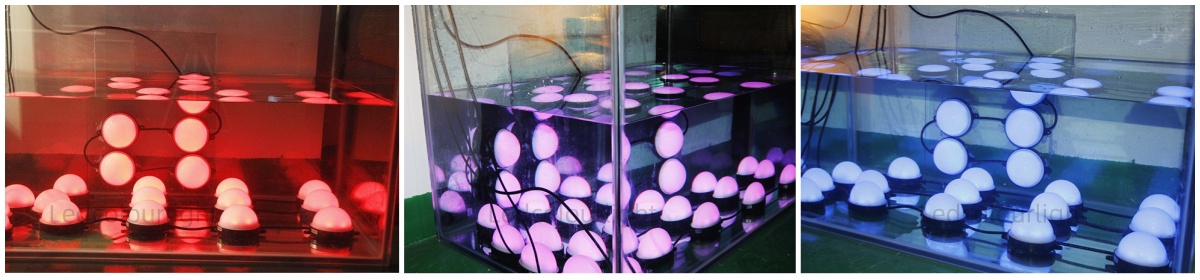
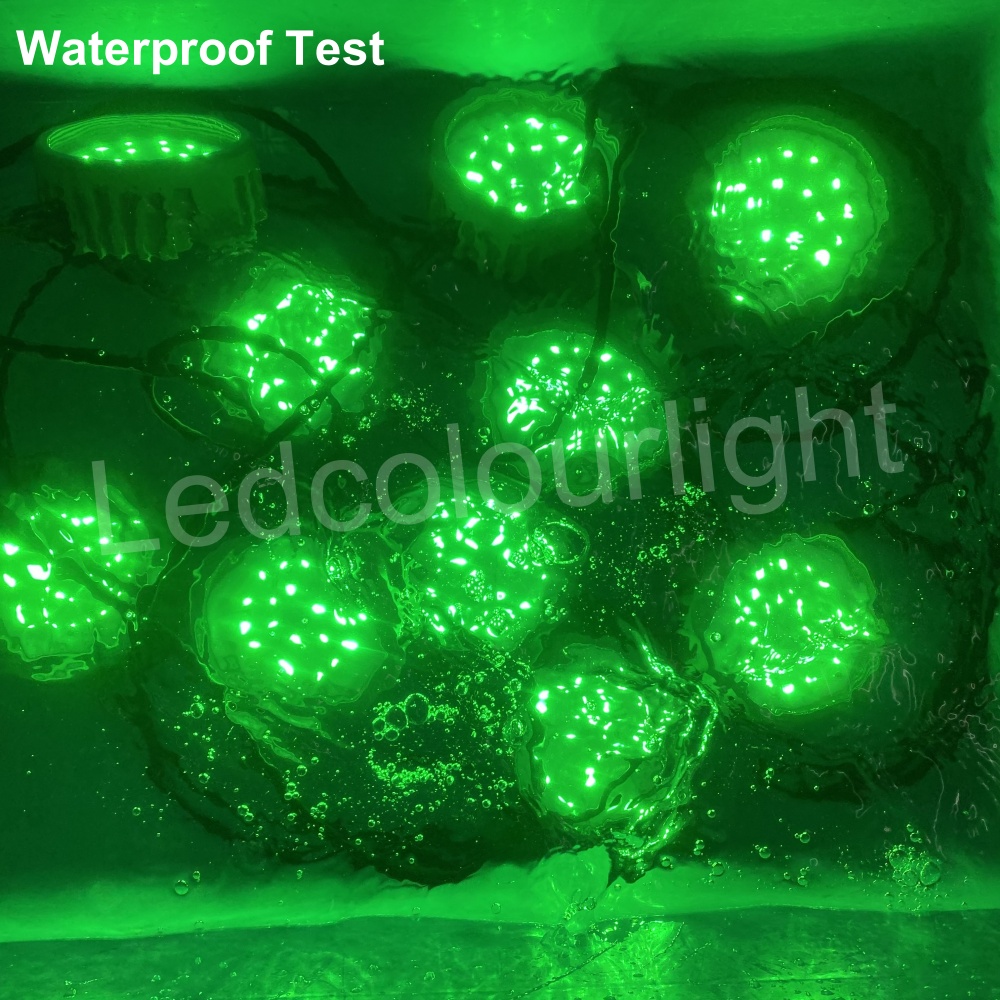
⚝ Factory testing: Many manufacturers perform immersion testing, where pixel lights are placed underwater for hours to verify reliability. This ensures IP68 products perform consistently in real-world projects.
⚝ Advantages: Maximum durability, long service life, and minimal maintenance.
⚝ Limitations: Slightly higher cost and heavier construction.
If your project involves water features or heavy exposure, IP68-rated waterproof LED light products are the safest option.
2. Product Example Analysis Summary: Point Light Sources (Pixel Lights) vs. LED Strips
The choice of IP rating is not one-size-fits-all and depends heavily on the product type and its installation environment.
a. Point Light Sources (e.g., P65 Pixel Lights):
These are individual LED nodes, often used to create high-resolution video walls or detailed architectural outlines. Their sealed enclosures make them inherently robust, but the IP rating determines their placement.
These are individual LED nodes, often used to create high-resolution video walls or detailed architectural outlines. Their sealed enclosures make them inherently robust, but the IP rating determines their placement.
⚝ IP65 Pixel Lights: Ideal for most outdoor applications where the primary concern is weather resistance. They are perfect for building facades, signage, and roof lines where they will be exposed to rain and wind but are unlikely to encounter standing water or intentional submersion. They provide a cost-effective solution without over-engineering.
⚝ IP67 Pixel Lights: A wiser choice for installations closer to ground level or in areas prone to pooling water, such as gardens, pathways, or public squares. If a pixel light installed in a plaza is occasionally flooded by a storm drain overflow or irrigation system, the IP67 rating ensures it will continue to operate without damage.
⚝ IP68 Pixel Lights: This is the premium grade for extreme environments. IP68 pixel lights are essential for applications like fountain lighting, lighting within water features, or installations in coastal areas with wave splash. The critical differentiator here is the factory soaking test. Reputable manufacturers will subject IP68 units to prolonged submersion tests at specified pressures to guarantee no water ingress occurs. This rigorous validation is what you pay for with an IP68 rating.
b. LED Strips (Light Strips):
Flexible LED strips present a unique challenge for waterproofing due to their length and the need for connectivity.
Flexible LED strips present a unique challenge for waterproofing due to their length and the need for connectivity.
⚝ IP65 LED Strips: These are typically coated with a thin layer of silicone resin, protecting them from moisture and splashing. They are excellent for under-eave lighting, covered patios, or indoor wet rooms (like bathrooms) where direct, high-pressure water exposure is not a concern. They are not suitable for exposed outdoor installations on the ground.
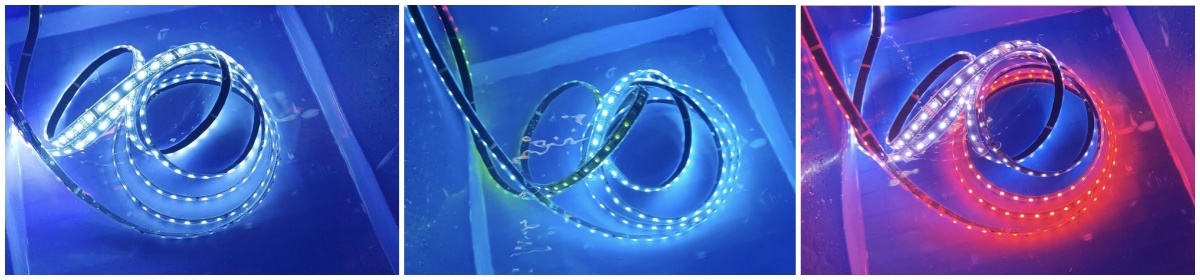
⚝ IP67/IP68 LED Strips: These strips are usually encased in a thick, extruded silicone jacket, creating a fully sealed tube. The connectors and power supplies must also carry the same rating, which is often the weakest link.
- IP67 strips can handle temporary immersion, making them suitable for indirect cove lighting on the ground that might get washed down or flooded.
- IP68 waterproof LED light strips are the gold standard for permanent outdoor and underwater use. They are the go-to choice for illuminating swimming pools, koi ponds, and directly embedding in concrete or soil. The manufacturing process for IP68 strips is meticulous, involving pressure testing and careful sealing of every component along the strip's entire length.
3. Key Factors Beyond IP Rating
While IP ratings are crucial, several other factors determine the real-world performance of waterproof LED lights:
- Chip Quality: High-brightness, low-heat SMD LEDs (like 3535 or 5050) ensure consistent performance outdoors.
- Housing Material: Polycarbonate (PC), die-cast aluminum or UV-resistant silicone provides durability against sun and rain.
- Connector System: Waterproof connectors with proper sealing prevent water ingress at weak points.
- Cable Quality: Outdoor-rated cables with thicker copper conductors ensure stable current delivery.
- IC Driver Choice: For pixel LED light design, using stable IC drivers (WS2811, UCS1903, or DMX chips) ensures precise control even in humid or wet conditions.
4. How to Choose for Your Outdoor Project
Choosing the correct rating not only ensures LED outdoor waterproof performance but also reduces maintenance costs and extends service life:
⚝ Assess the Exposure: Will the lights face rain, direct jets (from sprinklers), temporary flooding, or permanent submersion?
⚝ Consider Maintenance: A failed fixture in a fountain (requiring an IP68 rating) is far more expensive and difficult to replace than one on a wall. Investing in the higher rating upfront saves cost and hassle later.
⚝ Verify Factory Testing: Don't just trust the label. For IP68 products, especially, inquire about the manufacturer's testing protocols. Authentic IP68 products from reputable factories will have detailed soaking test reports that specify the depth, duration, and pass/fail criteria.
⚝ Budget accordingly: Higher IP ratings come with higher manufacturing costs. Use the guide above to choose the rating that matches your actual environmental needs without under- or over-spending.
↓
For decorative facades and signage → IP65 is sufficient.
For exposed outdoor installations and landscape lighting → IP67 provides the right balance of durability and cost.
For fountains, pools, and extreme environments → IP68 is the most reliable option.
5. Conclusion
Choosing between IP65, IP67, and IP68 depends on your project's environment. IP65 is ideal for semi-protected installations, IP67 provides durability in harsh outdoor conditions, and IP68 delivers the ultimate waterproofing for underwater or extreme environments.
As a professional manufacturer, we ensure that all IP68 waterproof LED lights undergo real immersion tests to guarantee performance. From pixel LED light design to customized led outdoor waterproof strip solutions, selecting the right IP rating reduces maintenance costs and ensures your lighting project shines reliably for years.
As a professional manufacturer, we ensure that all IP68 waterproof LED lights undergo real immersion tests to guarantee performance. From pixel LED light design to customized led outdoor waterproof strip solutions, selecting the right IP rating reduces maintenance costs and ensures your lighting project shines reliably for years.
How to Pick the Best Voltage for Pixel Lighting
How to Identify High-Quality Pixel LED Lights
Related Article
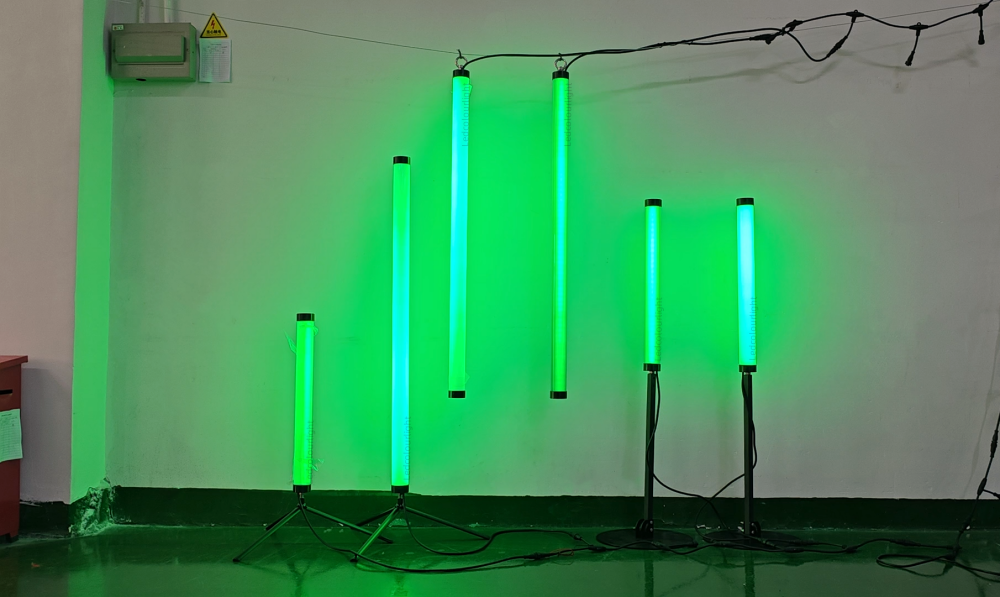
This article explores a versatile 3D LED light tube developed for multi-project use, offering adaptable installation methods and consistent performance for professional lighting environments.
Pixel-controlled 3D LED Light Tube for Professional Lighting Projects