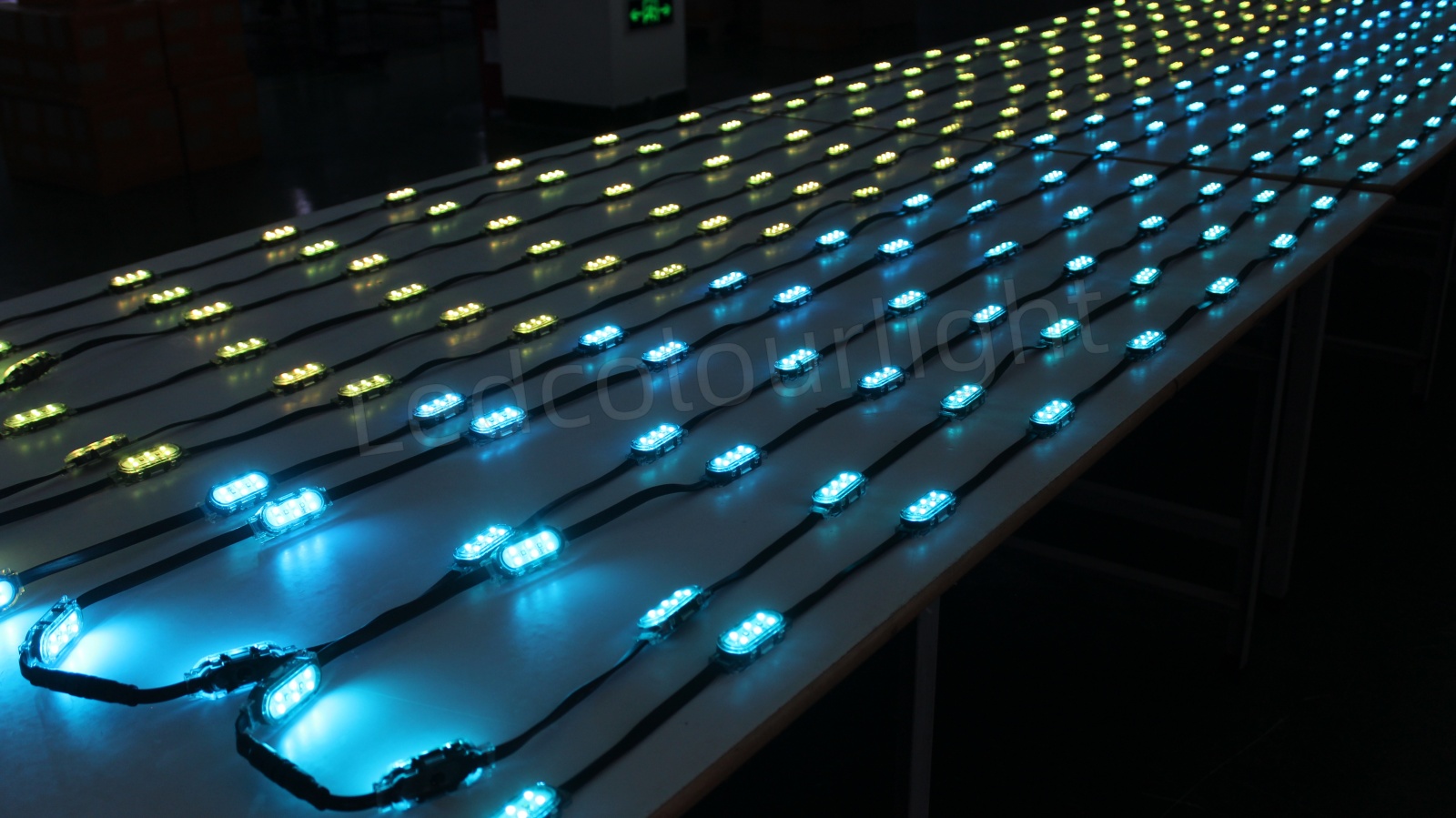
Permanent Light Track Systems for Outdoor Applications
2026-01-27
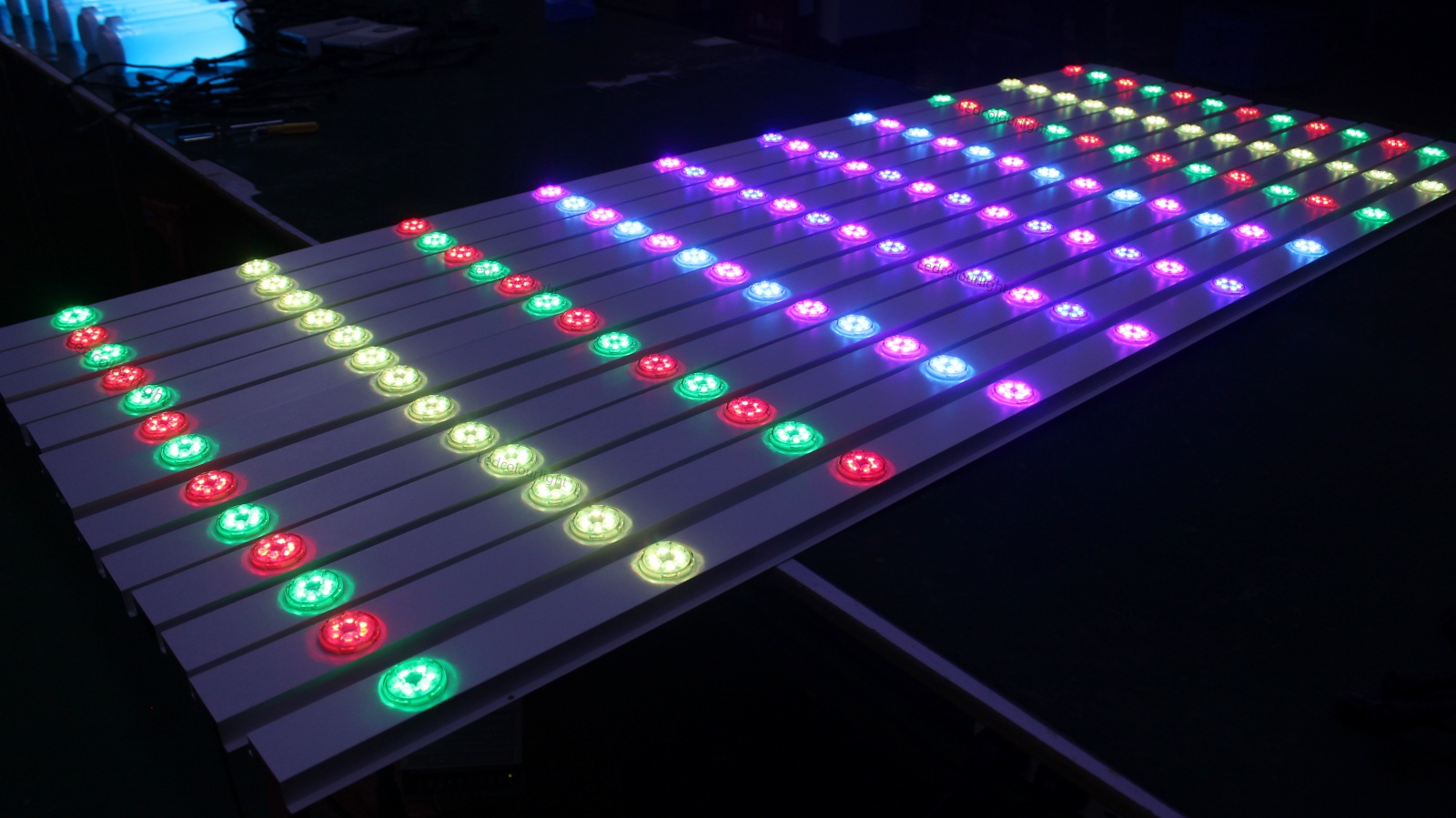
A Reliable Approach to Outdoor Permanent Lighting with Aluminum Channel Point Lights
➤ The Growing Demand for Outdoor Permanent Lighting
In architectural facade lighting and landscape illumination, LED point lights play a crucial role in defining building outlines, creating visual rhythm, and enhancing nighttime identity. As outdoor permanent lights, they are expected to deliver stable performance and consistent visual effects over long-term operation. However, in actual projects, traditional point light installations often present significant challenges for designers, contractors, and project owners alike.
Common issues include complex installation procedures, inconsistent waterproof performance, limited thermal management, and a lack of visual integration with architectural surfaces. When used as outdoor permanent light solutions, these shortcomings become even more critical. Over time, such problems can lead to higher failure rates, frequent maintenance, and increased operational costs—especially in outdoor environments exposed to rain, dust, temperature fluctuations, and corrosion.
To address these challenges, aluminum channel LED point light strips—also known as permanent light track systems—have emerged as a practical and system-oriented solution. By integrating LED dot lights into protective aluminum profiles, these systems provide a stable mounting structure for outdoor permanent lights, while significantly improving structural reliability, installation efficiency, and long-term performance. This makes them particularly well-suited for modern architectural facades, bridges, and landscape projects requiring durable outdoor permanent light installations.
This article examines aluminum channel point light strips from four professional perspectives: design compatibility, performance reliability, installation efficiency, and application scenarios.
Common issues include complex installation procedures, inconsistent waterproof performance, limited thermal management, and a lack of visual integration with architectural surfaces. When used as outdoor permanent light solutions, these shortcomings become even more critical. Over time, such problems can lead to higher failure rates, frequent maintenance, and increased operational costs—especially in outdoor environments exposed to rain, dust, temperature fluctuations, and corrosion.
To address these challenges, aluminum channel LED point light strips—also known as permanent light track systems—have emerged as a practical and system-oriented solution. By integrating LED dot lights into protective aluminum profiles, these systems provide a stable mounting structure for outdoor permanent lights, while significantly improving structural reliability, installation efficiency, and long-term performance. This makes them particularly well-suited for modern architectural facades, bridges, and landscape projects requiring durable outdoor permanent light installations.
This article examines aluminum channel point light strips from four professional perspectives: design compatibility, performance reliability, installation efficiency, and application scenarios.
➤ System Design Concept: Integrating Structure and Light
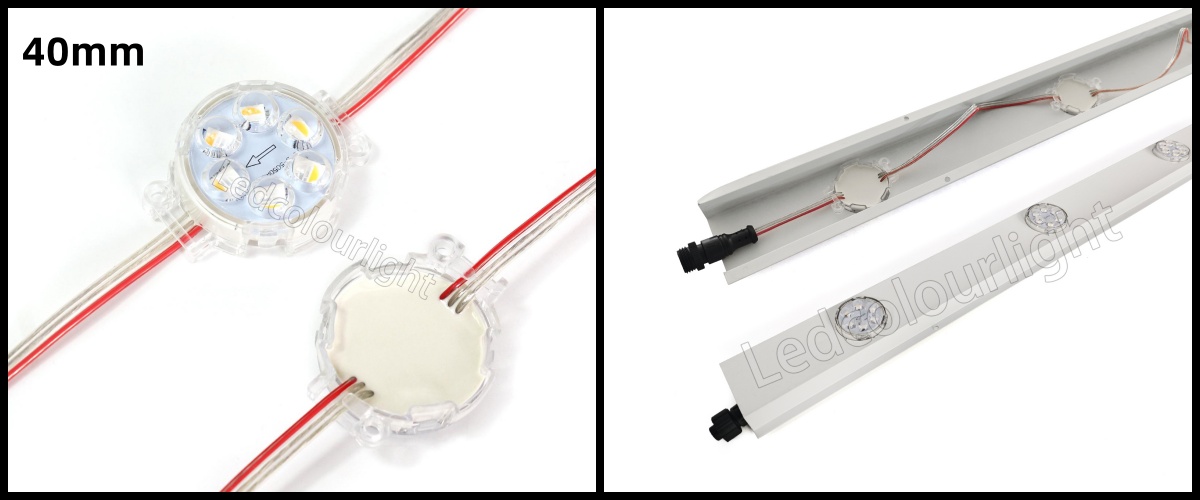
Unlike conventional installations that rely on individually mounted point lights, aluminum channel point light track systems are designed to organize LED point lights into a structured and repeatable installation framework. Acting as a permanent light track, the aluminum profile functions not only as a structural carrier but also as a protective enclosure for outdoor permanent lights, ensuring consistent spacing, precise alignment, and long-term visual continuity.
This integrated system approach is particularly important for outdoor permanent light installations, where stability, durability, and uniform appearance must be maintained throughout years of operation.
Architectural Compatibility
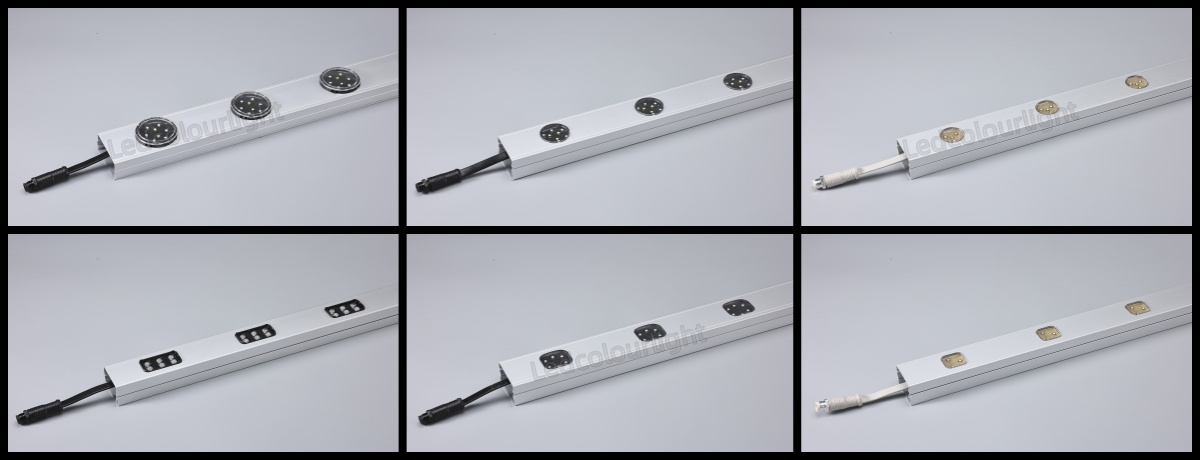
Aluminum channels used as permanent light track systems are available in multiple cross-sections and surface finishes, allowing them to blend seamlessly with a wide range of architectural styles. Common finishes such as white, beige, and dark brown enable outdoor permanent lights to visually integrate with building facades, significantly reducing the presence of exposed fixtures during daytime.
By concealing wiring and mounting structures within the aluminum channel, this solution supports a "hidden structure, visible light" design philosophy—an increasingly important consideration in architectural lighting projects where outdoor permanent light systems must enhance both daytime aesthetics and nighttime visual impact.
This integrated system approach is particularly important for outdoor permanent light installations, where stability, durability, and uniform appearance must be maintained throughout years of operation.
Architectural Compatibility
Aluminum channels used as permanent light track systems are available in multiple cross-sections and surface finishes, allowing them to blend seamlessly with a wide range of architectural styles. Common finishes such as white, beige, and dark brown enable outdoor permanent lights to visually integrate with building facades, significantly reducing the presence of exposed fixtures during daytime.
By concealing wiring and mounting structures within the aluminum channel, this solution supports a "hidden structure, visible light" design philosophy—an increasingly important consideration in architectural lighting projects where outdoor permanent light systems must enhance both daytime aesthetics and nighttime visual impact.

➤ Aluminum Channel Advantages: Durability and Thermal Performance
1. Mechanical Protection for Outdoor Use
Aluminum alloy profiles offer high structural strength and excellent corrosion resistance. When configured as a permanent light track, the aluminum channel forms a robust enclosure for outdoor permanent lights, effectively protecting internal LED dot lights from mechanical impact, moisture ingress, dust, and environmental contaminants.
This level of protection is especially critical for outdoor permanent light installations in building facades, bridges, and public landscape projects, where lighting systems are continuously exposed to wind loads, vibration, UV radiation, rain, and temperature variation over extended service periods.
By securing point light strings within a rigid mounting structure, permanent light track systems significantly reduce the risk of displacement, cable stress, and premature failure commonly associated with individually installed fixtures.
2. Enhanced Heat Dissipation
Thermal management is a critical factor affecting the longevity of outdoor permanent lights. While LED point lights have their own internal thermal paths, aluminum channels provide an additional system-level heat dissipation route.
Aluminum's natural thermal conductivity allows heat generated by LED modules to transfer more effectively to the surrounding environment through the permanent light track. Under comparable operating conditions, this secondary heat dissipation path can help lower overall operating temperatures, slow lumen depreciation, reduce color shift, and extend LED service life by more than 30%, thereby reducing long-term maintenance and operational costs.
Aluminum's natural thermal conductivity allows heat generated by LED modules to transfer more effectively to the surrounding environment through the permanent light track. Under comparable operating conditions, this secondary heat dissipation path can help lower overall operating temperatures, slow lumen depreciation, reduce color shift, and extend LED service life by more than 30%, thereby reducing long-term maintenance and operational costs.
➤ LED Point Light Performance: Optical Control and Reliability
1. Precision Optics and Uniform Light Output
Modern aluminum channel point lights designed for outdoor permanent lights typically employ lens-based LED dots rather than bare emitters. Integrated optical lenses provide precise beam angle control, enhance light uniformity, and minimize glare—an essential requirement for outdoor permanent light installations in architectural facades and pedestrian-facing environments.
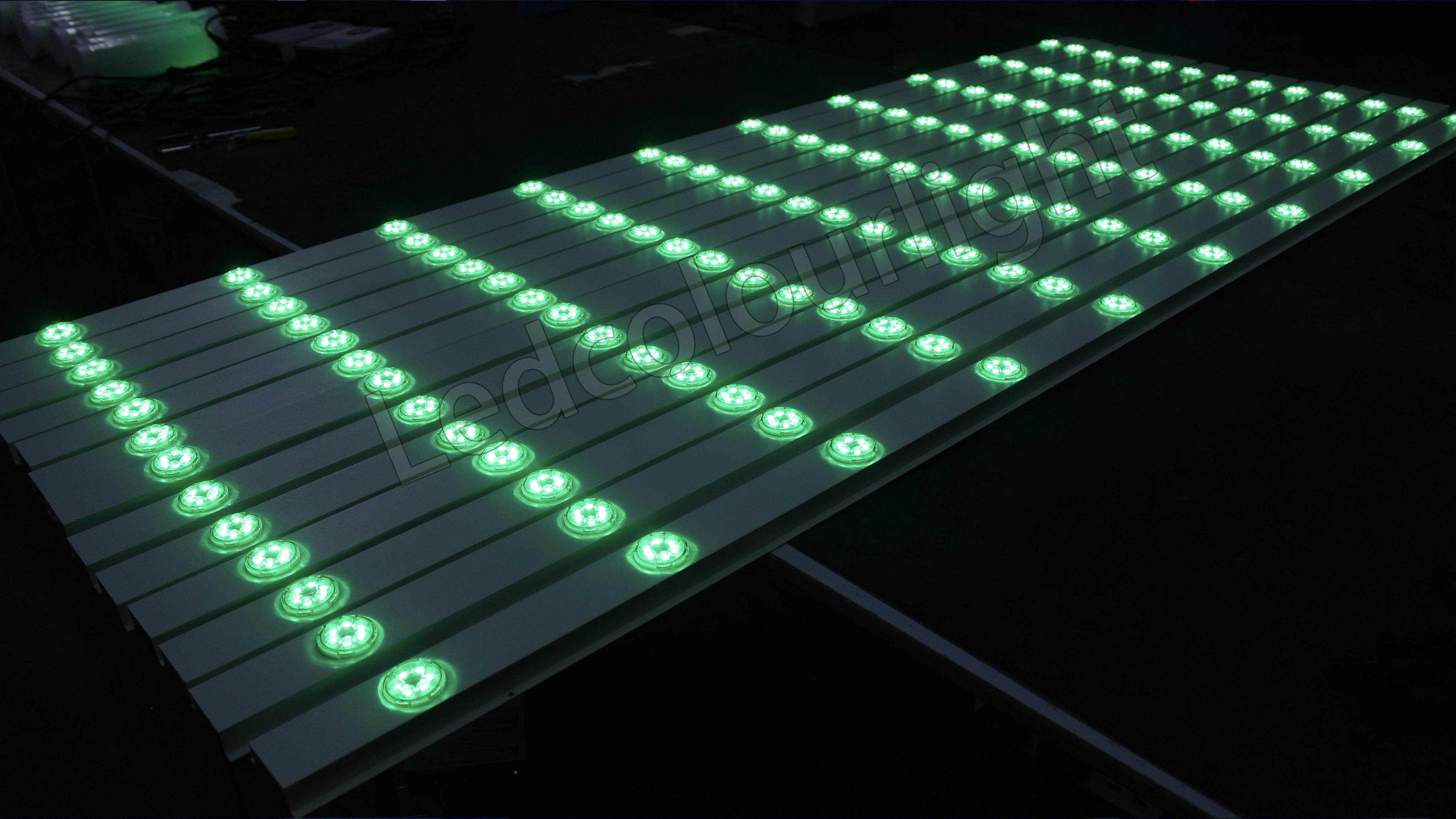
When installed within a permanent light track, these point light modules maintain consistent spacing and alignment, further improving visual continuity and lighting precision. Depending on project requirements, the modules can be configured for monochrome, RGB, or RGBW output, enabling both static illumination and dynamic lighting effects such as gradients, flowing light, and pixel-based animations commonly used in architectural media facades.
2. Waterproof and Dustproof Design
Long-term reliability is a critical requirement for outdoor permanent lights, particularly in environments exposed to rain, dust, pollution, and temperature variation. Aluminum channel point light systems integrated into a permanent light track are typically engineered to meet IP65 protection standards, ensuring effective resistance to water ingress and airborne contaminants.
Sealed interfaces between LED point lights, cabling, and mounting structures reduce potential water ingress and contamination risks, making these outdoor permanent light systems suitable for continuous outdoor operation without the need for additional external protective measures.
3. Stable Control for Large-Scale Installations
For projects requiring synchronized and programmable lighting effects, aluminum channel point lights used as outdoor permanent lights can be configured with DMX512 control protocols or SPI, like WS2811. Modular series connections within the permanent light track allow multiple LED point lights to operate in unison, supporting large-scale facade and landscape installations with reliable signal transmission, precise control, and long-term operational stability.
Various Series:
➤ Installation Efficiency: Designed for Engineering Practicality
1. Modular Construction
One of the key advantages of aluminum channel point lights used as outdoor permanent lights is installation efficiency. As a permanent light track system, pre-assembled point light strings can be mounted directly onto building surfaces by screw fixing—without on-site welding, individual fixture positioning, or complex alignment work.
This modular system design greatly improves installation efficiency for outdoor permanent light projects. In many practical applications, contractors report up to a 40% reduction in installation time compared to traditional methods that rely on individually mounted point lights.
2. Customizable Length and Spacing
To accommodate diverse architectural geometries, aluminum channels functioning as a permanent light track can be manufactured with customized lengths and point light spacing. This flexibility allows lighting designers to accurately follow building contours and structural lines, ensuring uniform visual results for outdoor permanent lights without awkward on-site adjustments.
Customized configurations also reduce material waste and minimize field modifications, contributing to cleaner installation processes, improved quality control, and more predictable project execution for long-term outdoor permanent light systems.
➤ Application Scenarios
1. Architectural Facade Lighting
For commercial buildings, hotels, residential towers, and villas, aluminum channel point light strips installed as outdoor permanent lights are highly effective for outlining facades and emphasizing architectural geometry. The consistent spacing provided by the permanent light track and the concealed mounting structure helps deliver clean, professional lighting effects that enhance nighttime identity without overwhelming the building's design during the day.
2. Landscape and Bridge Lighting
In outdoor environments such as bridges, walkways, and cultural tourism zones, lighting systems must withstand continuous exposure to weather and vibration. Aluminum channel systems designed for outdoor permanent light applications offer the required mechanical strength and waterproof protection, while the permanent light track ensures stable installation and long-term visual consistency.
3. Commercial Decoration and Retail Environments
In shopping streets, malls, and display installations, dynamic RGB or RGBW outdoor permanent lights can be used to create eye-catching visual effects and enhance brand presence. The modular nature of aluminum channel systems allows permanent light track installations to be deployed efficiently and, when required, adapted for seasonal or themed lighting without compromising structural integrity.
4. Municipal and Public Infrastructure Projects
City landmarks, parks, and public spaces demand outdoor permanent light solutions with long service life and minimal maintenance. Aluminum channel point lights meet these requirements by combining mechanical durability, stable optical performance, and efficient heat dissipation within a unified permanent light track system—helping municipalities reduce long-term operational and maintenance costs.
➤ Conclusion: A Practical System Solution for Outdoor Permanent Lighting
Aluminum channel–based permanent light track systems represent a practical and engineering-focused approach to outdoor permanent lighting. Rather than replacing standalone LED point lights, they enhance installation efficiency, consistency, and long-term performance at the system level.
By integrating structural support, mechanical protection, thermal assistance, optical precision, and modular installation into a unified framework, permanent light track solutions enable designers, contractors, and project owners to achieve reliable, visually consistent, and cost-effective lighting outcomes.
By integrating structural support, mechanical protection, thermal assistance, optical precision, and modular installation into a unified framework, permanent light track solutions enable designers, contractors, and project owners to achieve reliable, visually consistent, and cost-effective lighting outcomes.
➤ Contact Us
If you are planning an outdoor permanent lighting project or would like to learn more about aluminum channel point light solutions, our team is ready to support you.
We can assist with product selection, system configuration, and technical recommendations based on your specific application requirements.
Please feel free to contact us to discuss your project needs or request additional technical information.
Please feel free to contact us to discuss your project needs or request additional technical information.
Latest Production Update of LED Pixel Tube Lighting at Ledcolourlight
Pixel Lighting FAQ and Technical Solutions
Related Article
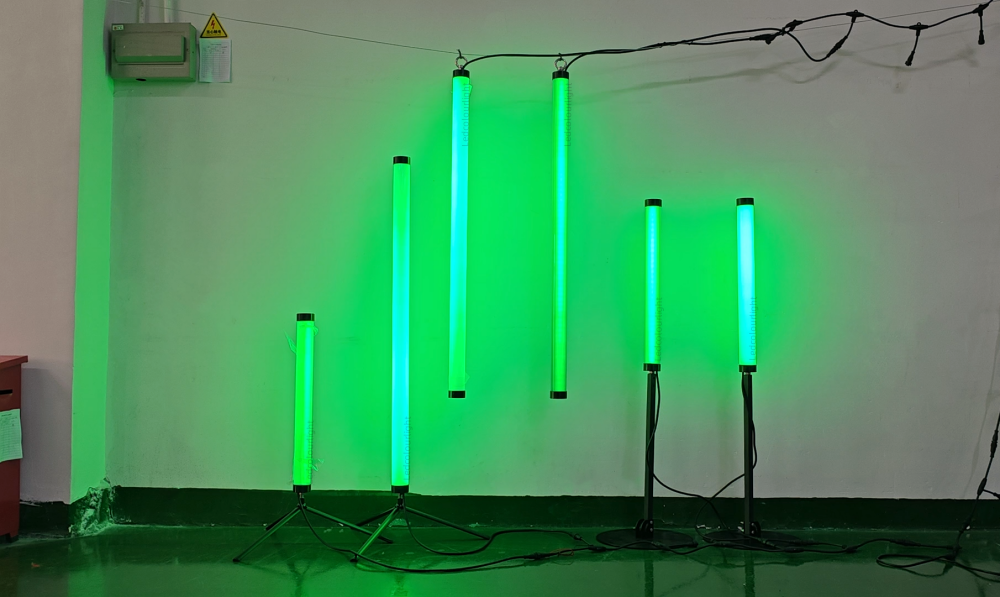
This article explores a versatile 3D LED light tube developed for multi-project use, offering adaptable installation methods and consistent performance for professional lighting environments.
Pixel-controlled 3D LED Light Tube for Professional Lighting Projects