What Is LED Pixel Light
2026-01-12
What Is LED Pixel Light and the Technology Behind Addressable LED Control
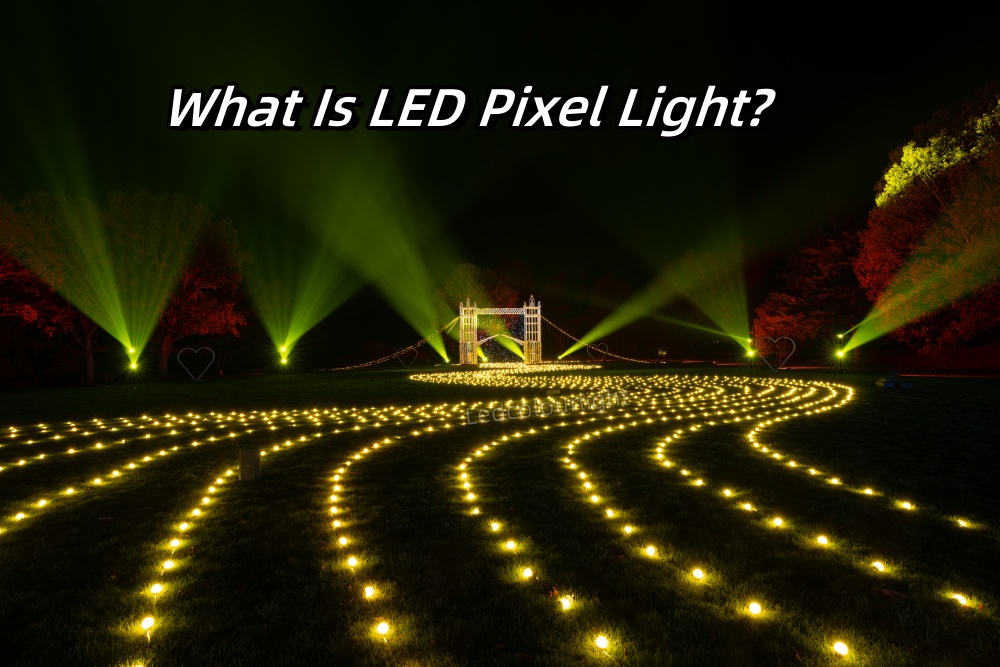
In recent years, LED lighting has evolved far beyond basic illumination. From static architectural lighting to immersive visual installations, the demand for dynamic, content-driven lighting continues to grow. At the center of this shift is LED Pixel Light, also known as individually addressable LEDs—a technology that allows lighting fixtures to behave more like visual media than traditional lamps.
This article explores what LED Pixel Lights are, how they differ from conventional LED fixtures, and why they have become essential in stage design, architectural lighting, theme parks, and commercial environments.
▶ What Is an LED Pixel Light?
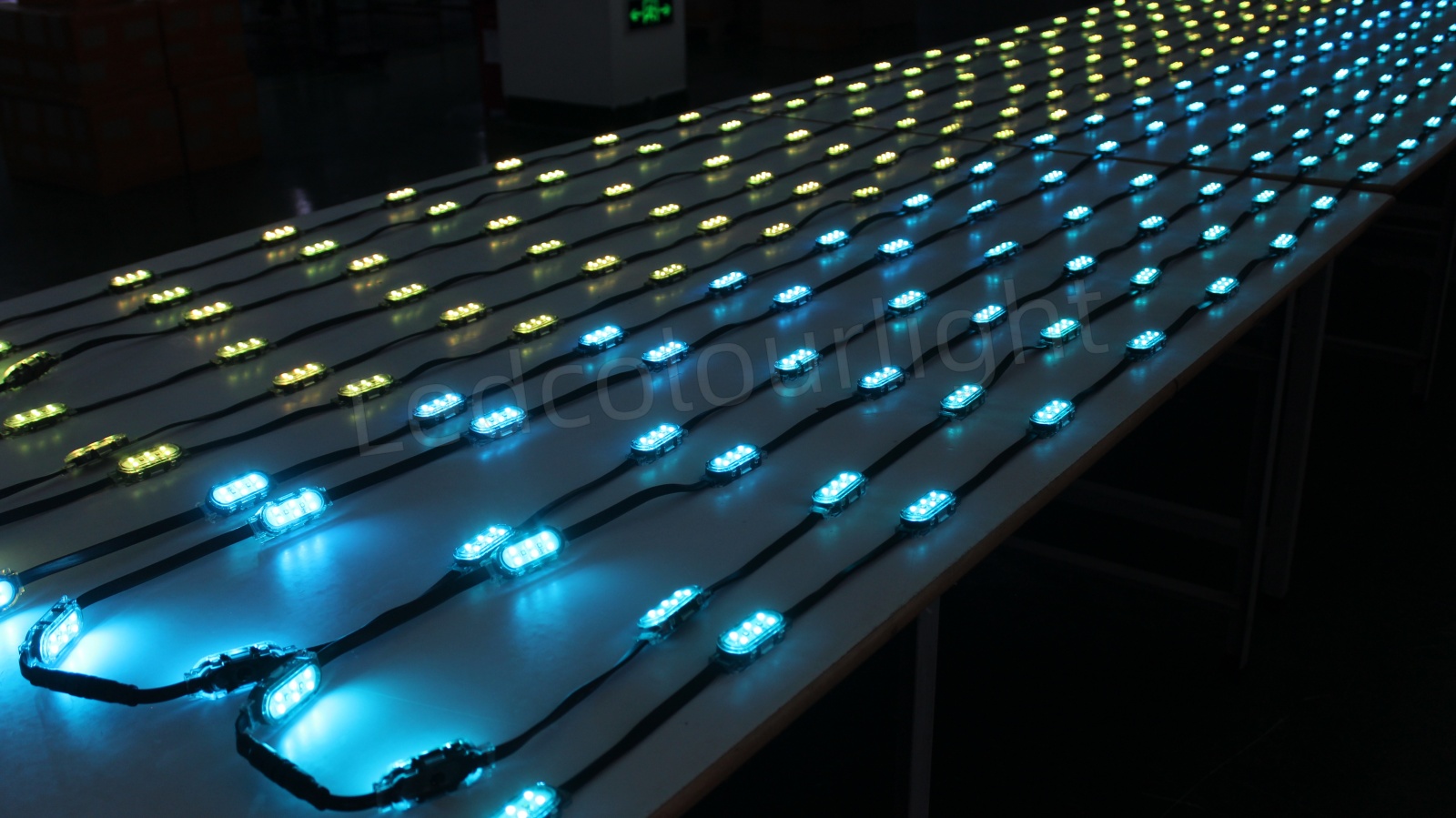
An LED Pixel Light is a lighting fixture in which each LED—or group of LEDs—can be controlled independently. Unlike conventional LED lights that operate as a single unit, pixel lights are built using individually addressable LED technology, enabling precise control over brightness, color, and animation at the pixel level.
Each pixel can receive its own data signal, allowing designers to create dynamic effects such as color waves, chases, gradients, text, and even low-resolution video patterns. Control is typically achieved through protocols such as DMX512, SPI (WS2811, UCS1903, SK6812, etc.), or Art-Net, depending on the application and scale of the project.
Because of this capability, pixel lighting is no longer just about illumination—it becomes a programmable visual system.
Each pixel can receive its own data signal, allowing designers to create dynamic effects such as color waves, chases, gradients, text, and even low-resolution video patterns. Control is typically achieved through protocols such as DMX512, SPI (WS2811, UCS1903, SK6812, etc.), or Art-Net, depending on the application and scale of the project.
Because of this capability, pixel lighting is no longer just about illumination—it becomes a programmable visual system.
▶ LED Pixel Lights vs Traditional LED Fixtures
While both pixel lights and traditional LED fixtures use similar light sources, their functionality and application are fundamentally different.
1. Individually Addressable Control
Traditional LED lights operate in zones or as a whole. Pixel lighting uses individually addressable LEDs, meaning each pixel can respond independently. This enables complex lighting effects that are impossible with standard LED fixtures.
2. Programmability and Content Creation
Pixel lights can be programmed using lighting software to generate animations, transitions, and interactive effects. Traditional LED lights typically offer only static colors, simple dimming, or built-in effects.
3. Dynamic Visual Performance
With addressable LEDs, lighting becomes motion-based. Effects such as flowing patterns, reactive lighting, and synchronized visuals with music or movement significantly enhance audience engagement.
4. Long-Term Design Flexibility
Pixel lighting systems allow content updates through software rather than hardware changes. This makes them ideal for venues that require seasonal themes, branded visuals, or evolving artistic concepts.
1. Individually Addressable Control
Traditional LED lights operate in zones or as a whole. Pixel lighting uses individually addressable LEDs, meaning each pixel can respond independently. This enables complex lighting effects that are impossible with standard LED fixtures.
2. Programmability and Content Creation
Pixel lights can be programmed using lighting software to generate animations, transitions, and interactive effects. Traditional LED lights typically offer only static colors, simple dimming, or built-in effects.
3. Dynamic Visual Performance
With addressable LEDs, lighting becomes motion-based. Effects such as flowing patterns, reactive lighting, and synchronized visuals with music or movement significantly enhance audience engagement.
4. Long-Term Design Flexibility
Pixel lighting systems allow content updates through software rather than hardware changes. This makes them ideal for venues that require seasonal themes, branded visuals, or evolving artistic concepts.
▶ Why Individually Addressable LEDs Matter in Modern Projects
Modern lighting projects demand more than brightness. They require adaptability, storytelling, and emotional impact. Individually addressable LED systems allow designers and integrators to:
- Create unique visual identities
- Synchronize lighting with audio or interactive systems
- Update effects without replacing fixtures
- Maximize return on investment through reusable hardware
As a result, addressable LEDs have become the preferred solution for large-scale, experience-driven installations.
▶ Common Types of LED Pixel Lighting Fixtures
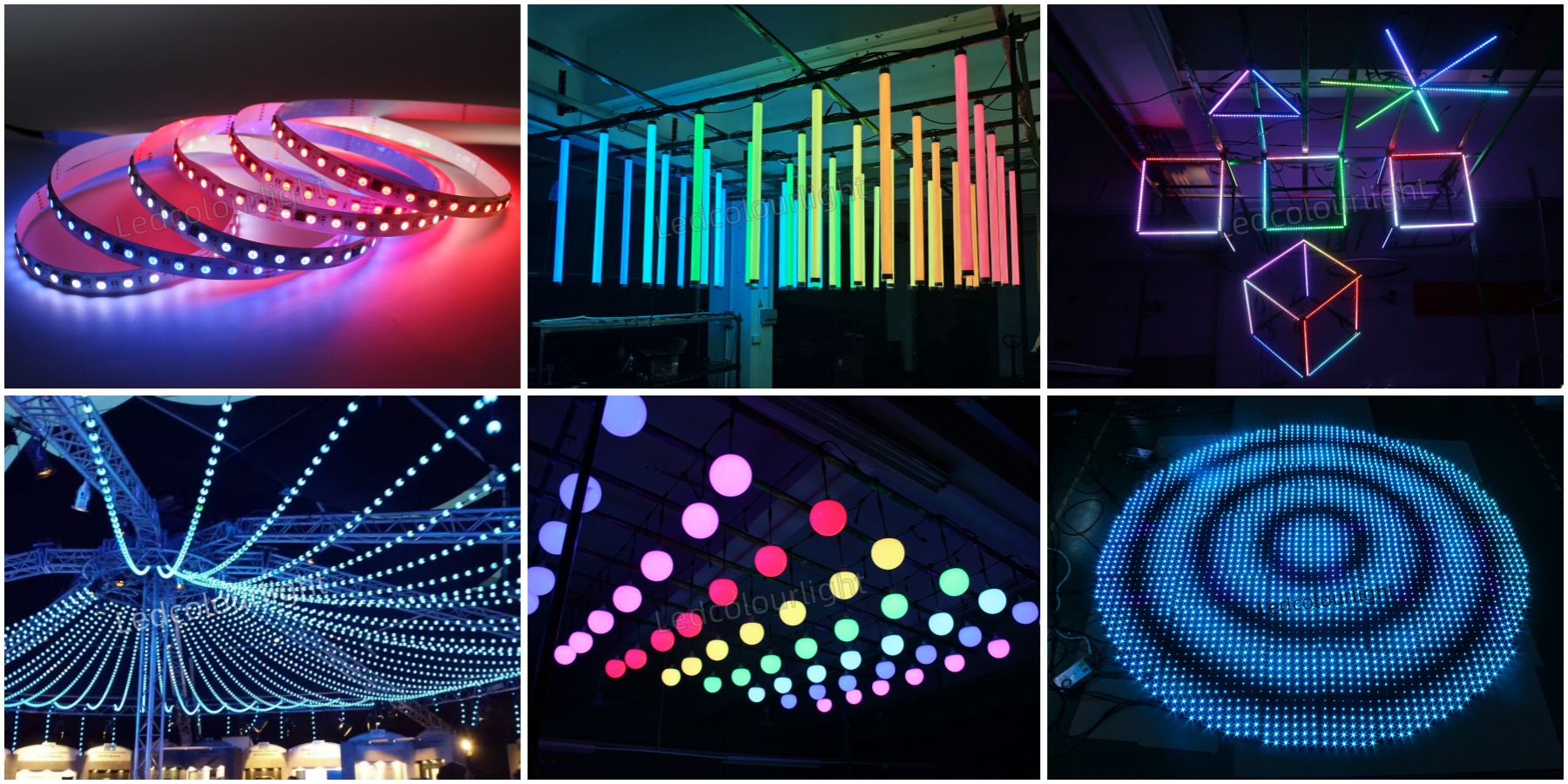
Pixel lighting comes in many forms, each designed to meet different structural and visual requirements. Below are the most commonly used pixel lighting products in professional applications.
❶ Pixel LED Strip Lights
Flexible and versatile, pixel LED strips are widely used for architectural outlines, neon-style designs, and contour lighting. Each pixel segment can be individually controlled, making them suitable for both linear effects and complex animations.
❷ LED Pixel Tubes
Pixel tubes provide 360-degree or directional lighting effects and are commonly used in stages, clubs, and architectural facades. They are ideal for creating vertical or horizontal light patterns and 3D visual structures.
❸ Pixel Bars
Pixel bars are rigid linear fixtures often used in stage backdrops and architectural grids. Their uniform structure allows for precise alignment and high-impact visual symmetry.
❹ Christmas Pixel Lights
Pixel light strings consist of multiple addressable nodes connected in series. They are popular in outdoor installations, trees, facades, and decorative environments where depth and layering are required.
❺ Pixel Bulb Lights
Pixel bulbs combine the familiar form of traditional bulbs with addressable LED control. They are often used in creative installations where a retro or decorative appearance is combined with modern lighting effects.
❻ Pixel Panel LED RGB Light
Pixel panels form LED matrices that can display patterns, graphics, or abstract visuals. These are commonly used in media walls, immersive rooms, and interactive displays.
❶ Pixel LED Strip Lights
Flexible and versatile, pixel LED strips are widely used for architectural outlines, neon-style designs, and contour lighting. Each pixel segment can be individually controlled, making them suitable for both linear effects and complex animations.
❷ LED Pixel Tubes
Pixel tubes provide 360-degree or directional lighting effects and are commonly used in stages, clubs, and architectural facades. They are ideal for creating vertical or horizontal light patterns and 3D visual structures.
❸ Pixel Bars
Pixel bars are rigid linear fixtures often used in stage backdrops and architectural grids. Their uniform structure allows for precise alignment and high-impact visual symmetry.
❹ Christmas Pixel Lights
Pixel light strings consist of multiple addressable nodes connected in series. They are popular in outdoor installations, trees, facades, and decorative environments where depth and layering are required.
❺ Pixel Bulb Lights
Pixel bulbs combine the familiar form of traditional bulbs with addressable LED control. They are often used in creative installations where a retro or decorative appearance is combined with modern lighting effects.
❻ Pixel Panel LED RGB Light
Pixel panels form LED matrices that can display patterns, graphics, or abstract visuals. These are commonly used in media walls, immersive rooms, and interactive displays.
▶ Applications of LED Pixel Lighting Across Industries
Stage and Entertainment Lighting
Pixel lighting is now standard in concerts, festivals, and theatrical productions. Pixel tubes, bars, and light strings allow lighting designers to synchronize visuals with music, enhancing rhythm and emotional impact.
Architectural and Urban Lighting
Building facades, bridges, and landmarks increasingly use addressable LEDs to create animated nightscapes. Pixel lighting allows cities to change visual themes for events, holidays, or branding purposes.
Theme Parks and Attractions
Pixel lighting enhances storytelling in theme parks through immersive environments. Interactive lighting paths, animated structures, and synchronized effects increase visitor engagement and dwell time.
Commercial Complexes and Retail Spaces
Shopping malls and commercial venues use pixel lighting to create eye-catching entrances, seasonal decorations, and experiential zones that attract foot traffic and strengthen brand identity.
▶ Key Considerations When Choosing LED Pixel Lights
Selecting the right pixel lighting solution depends on several technical and practical factors:
- Control Protocol: DMX512, SPI, or network-based systems
- Pixel Density: Determines visual resolution and effct smoothness
- Indoor vs Outdoor Use: IP rating and material durability
- Power and Signal Management: Especially important for large installations
- Software Compatibility: Integration with lighting control platforms
Professional planning ensures stable performance and long-term reliability.
▶ The Future of Pixel LED Lighting
As lighting continues to merge with digital media, pixel lighting will play an even greater role in shaping visual environments. From static illumination to programmable visual storytelling, addressable LEDs represent a shift toward smarter, more expressive lighting systems.
Manufacturers like Ledcolourlight, specializing in pixel lighting solutions, continue to push the boundaries by offering flexible, scalable, and reliable products tailored for professional use.
▶ About Ledcolourlight
Ledcolourlight is a professional manufacturer and solution provider specializing in LED pixel lighting and control systems for the entertainment and architectural lighting industries. With over 10 years of experience, we focus on the development and customization of individually addressable LED lighting products, including LED pixel tubes, pixel light strings, pixel bars, pixel bulbs, pixel strips, and flexible neon solutions.
Our products are widely used in stage performances, events, architectural façades, theme parks, and immersive lighting installations worldwide. Beyond hardware, Ledcolourlight also provides technical consultation, system design support, and control guidance to help clients achieve stable, efficient, and visually impactful lighting systems.
▶ Contact Us
If you are planning a pixel lighting project or would like to learn more about addressable LED solutions, feel free to contact us.
Our team is ready to assist you with product selection, technical specifications, and project support.
Our team is ready to assist you with product selection, technical specifications, and project support.
Contact Ledcolourlight today to discuss your pixel lighting ideas.
2026 RGB Pixel Crystal LED Bulb Series for Creative Lighting Design
Choosing Between RGB and RGBW Pixel Lights
Related Article
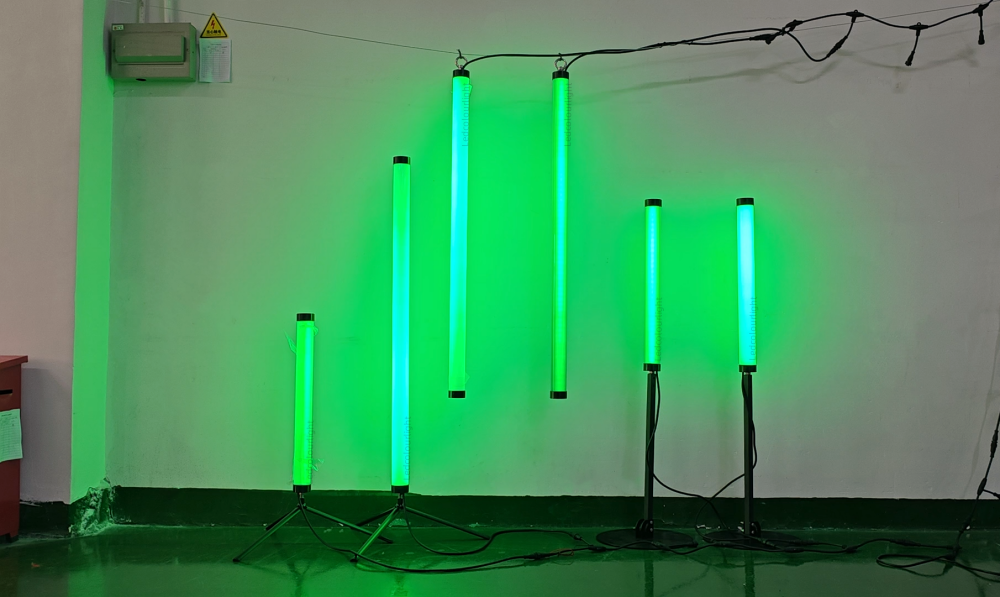
This article explores a versatile 3D LED light tube developed for multi-project use, offering adaptable installation methods and consistent performance for professional lighting environments.
Pixel-controlled 3D LED Light Tube for Professional Lighting Projects