What is RGB Lighting?
RGB Lighting
1. Components of RGB Lighting:
Green LED (G): Emits light in the green part of the spectrum.
Blue LED (B): Emits light in the blue part of the spectrum.
2. How RGB Lighting Works:
Color Mixing: By adjusting the intensity of each of these three colors, RGB lighting can generate different colors. For example, mixing red and green light at full intensity creates yellow light, while mixing red and blue creates magenta, and green and blue create cyan.

Brightness Control: Each color channel (red, green, blue) can be dimmed or brightened independently, allowing for precise control over the resulting color and brightness.
White: Equal intensity of red, green, and blue (when combined in equal amounts, they create white light).
3. RGB LED Lights:
LED (Light Emitting Diode) technology is most commonly used in RGB lighting setups. These are efficient, long-lasting, and can be easily controlled for color-changing effects.
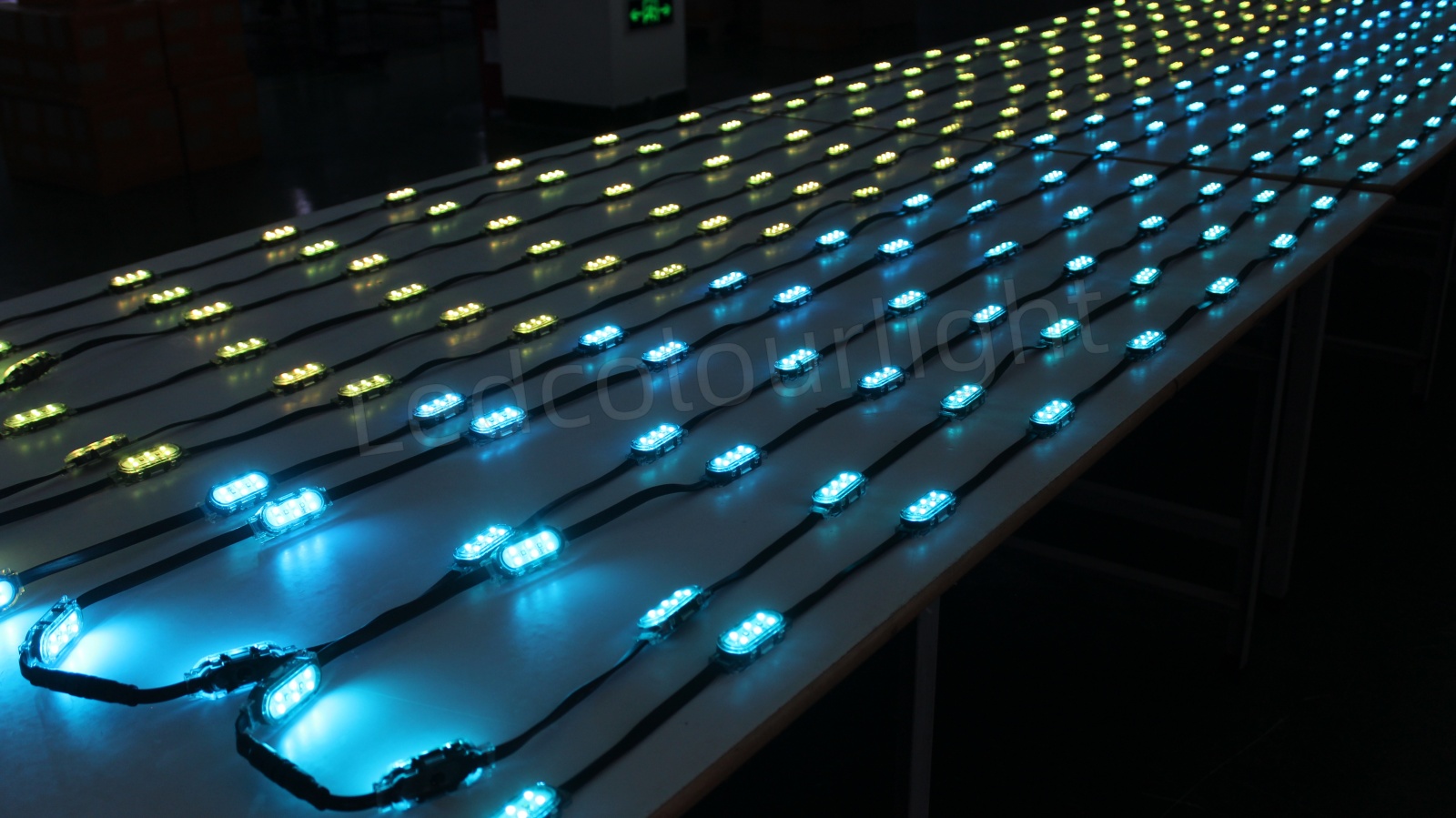
Each RGB LED typically has three separate LEDs in one package (one for red, one for green, and one for blue). The intensity of each LED is controlled independently to produce different colors.
4. Applications of RGB Lighting:
- Home Decor: RGB lights are commonly used for accent lighting, under-cabinet lighting, and backlighting in homes.
- Architectural Lighting: RGB lighting can be used to highlight architectural features or to create dynamic lighting effects on buildings.
- Entertainment and Stage Lighting: In theaters and concert venues, RGB lights are used to create mood and atmosphere, as well as to illuminate performers.
- Digital Signage: RGB lighting is used in advertising and information displays to attract attention and convey messages.
- Gaming: RGB lighting is popular in gaming setups for aesthetic purposes and to enhance the gaming experience.
5. RGB vs. RGBW:

6. Examples of RGB Devices:
RGB Bulbs: Smart bulbs that can change color, are often controlled via apps or smart home systems.
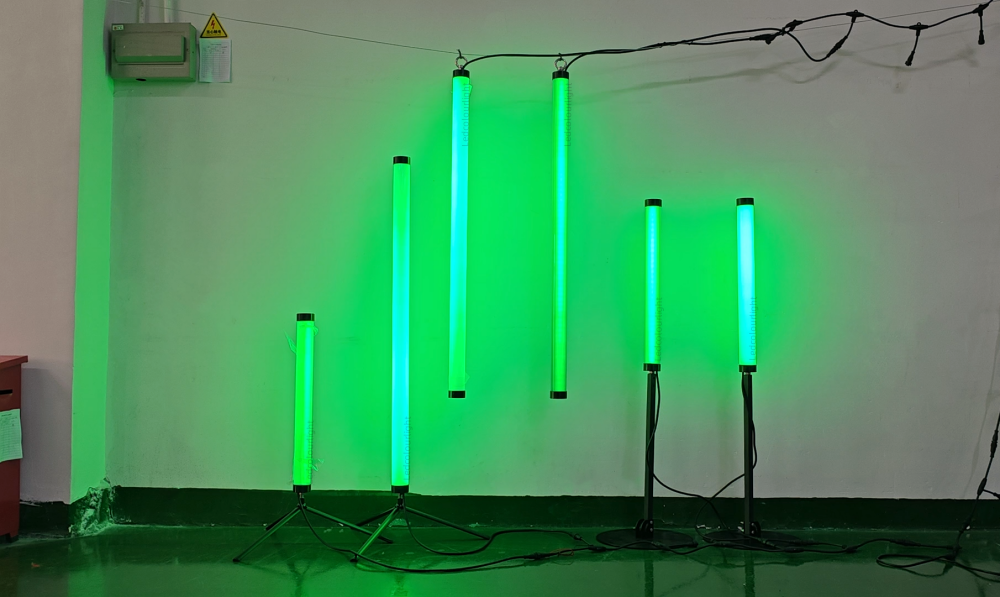
RGB Neon Lights: Cab be used to set a dynamic atmosphere for parties, concerts, or festivals.

7. Advantages of RGB Lighting:
Customization: RGB lighting is highly customizable, allowing you to change colors to suit your environment or mood.
Energy Efficiency: LED-based RGB lighting uses less power compared to traditional incandescent lighting.
Durability: LEDs last much longer than incandescent or halogen bulbs, making them a cost-effective long-term solution.
Aesthetic Appeal: RGB lighting can enhance the ambiance of a space, add a touch of style, and create immersive lighting experiences.
8. Control Systems:
Remote Control: Many RGB lighting systems come with remote controls that allow users to select colors and modes.
Smartphone Apps: With the help of Wi-Fi or Bluetooth, RGB lights can be controlled via smartphone apps, offering more advanced features and customization.
DMX Controllers: In professional settings, RGB lights can be controlled by DMX controllers, which allow for complex programming and synchronization with other lighting and effects.
RGB lighting offers versatility and the ability to customize the lighting environment to suit various needs and preferences.
The Difference between LED Strip Lights and Light Bars
How to Connect DMX Lights?
Related Article